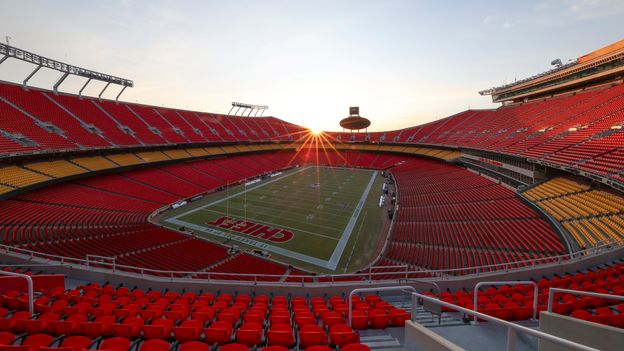
When the World Cup ends, the matches disappear, but the conditions that shaped them often remain. Host cities leave behind infrastructure, stadium design, and cultural expectations that continue to influence how football is played and experienced. For viewers watching full matches in future tournaments, these legacies affect tempo, atmosphere, and even how tactical patterns unfold.
Why Stadium Design Continues to Influence Match Flow
Modern stadiums built for the World Cup are designed for visibility, comfort, and global broadcasting standards. These features shape how matches are played long after the tournament ends.
On the pitch, this leads to:
- Consistent playing surfaces that favor technical build-up.
- Clear sightlines that improve spatial awareness for players.
- Reduced environmental unpredictability.
For viewers, this results in matches that are easier to follow structurally, with clearer patterns of play.
How Infrastructure Shapes Future Tournaments
Transport systems, training facilities, and urban organization influence how teams prepare and perform. Efficient logistics reduce fatigue and allow teams to maintain higher intensity levels.
This creates:
- More consistent physical performance across matches.
- Fewer disruptions to tactical preparation.
- Improved recovery between games.
When watching live, this explains why tournaments in well-prepared environments often feature more stable performance levels.
What Live Viewing Reveals About Long-Term Impact
Watching matches through ดูบอลสด highlights how these legacies influence gameplay over time. You can observe how teams adapt quickly to high-quality pitches, how tempo remains consistent across venues, and how fewer external disruptions allow tactical systems to function more clearly. These factors contribute to more predictable patterns in expected goals, as performance is shaped more by execution than by environmental variation.
Key Indicators of Lasting Host City Influence
To understand how host cities affect future matches, viewers should focus on patterns that persist beyond a single tournament. These indicators reveal how infrastructure and environment shape gameplay.
- Consistency of match tempo across different venues.
- Stability of passing accuracy and ball control.
- Reduced variability in playing conditions.
- Predictable transitions between phases of play.
These indicators show that long-term improvements create more controlled match environments. For viewers, this makes tactical patterns easier to identify and compare.
Comparing Matches Before and After Infrastructure Development
The difference between matches played in less developed environments and those in modern host cities becomes clear when comparing key elements.
| Aspect | Pre-Development | Post-Development |
| Pitch Quality | Variable | Consistent |
| Tempo Stability | Fluctuating | Stable |
| Tactical Execution | Uneven | Reliable |
| Match Flow | Disrupted | Continuous |
This comparison highlights how infrastructure shapes not just logistics, but gameplay itself. Watching live with this context improves understanding of performance consistency.
When Legacy Does Not Translate to Better Matches
Not all host city investments lead to improved football experiences. In some cases, stadiums and facilities are underused, affecting long-term impact.
Situations Where Legacy Falls Short
- Venues lacking regular high-level competition.
- Stadiums with limited integration into local football culture.
- Reduced crowd engagement over time.
In these cases, the initial benefits fade, and matches may lose the intensity seen during the tournament.
How Teams Adapt to Standardized Environments
As more tournaments are played in optimized conditions, teams adjust by refining tactical systems that rely on predictability and control.
This leads to:
- Greater emphasis on positional play.
- Increased reliance on rehearsed patterns.
- Reduced tolerance for chaotic or unstructured phases.
For viewers, this means matches may become more systematic, requiring attention to detail rather than dramatic moments.
What Viewers Should Focus On in Future Matches
Understanding host city legacy requires focusing on how consistency shapes gameplay. The key is to observe how teams operate within stable environments.
Focus on:
- The precision of passing sequences under minimal disruption.
- The timing of movements within structured systems.
- The balance between control and creativity.
These elements reveal how infrastructure influences performance over time.
Summary
The legacy of World Cup host cities extends beyond infrastructure, shaping how matches are played and experienced in future tournaments. By recognizing patterns of consistency, stability, and tactical clarity during live viewing, fans can better interpret how these long-term effects influence the game. This perspective shows that what remains after the tournament continues to shape ดูบอลสด changy long into the future.