
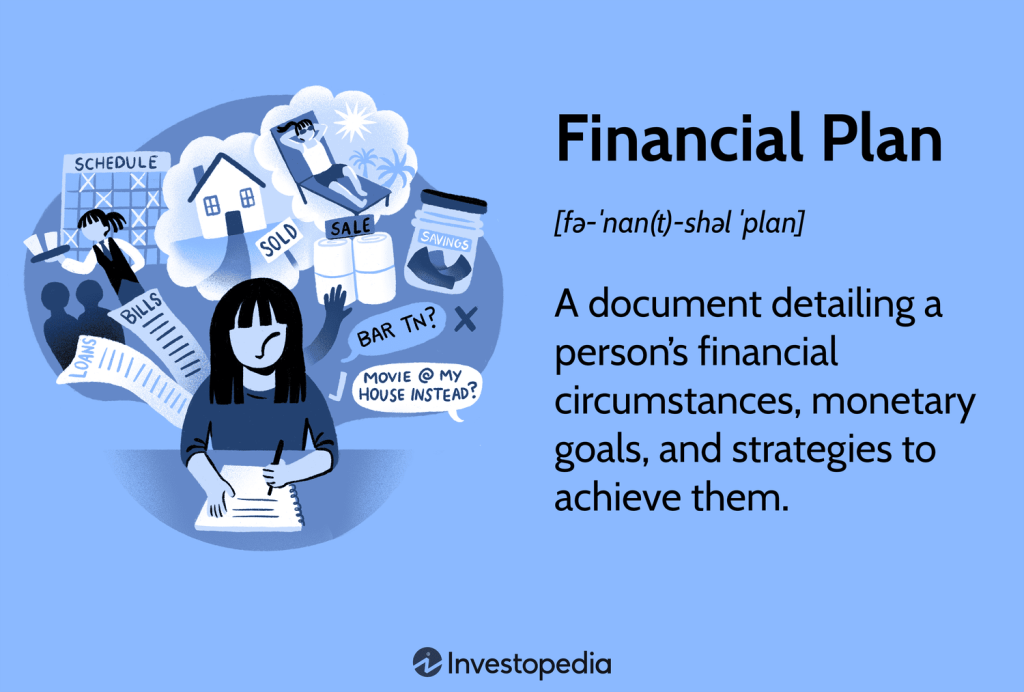
A financial growth plan is one of the most important tools for any entrepreneur or business owner who wants to achieve long term success. It acts as a structured roadmap that guides how a business earns, spends, saves, and reinvests money over time. Without a clear financial growth plan, businesses often struggle with inconsistent cash flow, poor decision making, and limited scalability.
In a competitive global environment, financial planning is not optional. It is essential. Whether a business is a startup or an established company, having a structured financial strategy helps ensure stability and sustainable growth.
For entrepreneurs exploring international opportunities such as deciding to buy a shelf company in Hong Kong, financial planning becomes even more important. Understanding how to structure finances from the beginning allows business owners to take advantage of existing corporate setups while still maintaining full control over future expansion.
A financial growth plan is not just about numbers. It is about vision, discipline, and strategy. It helps businesses set realistic goals, track performance, and adapt to changing market conditions.
Understanding a Financial Growth Plan
A financial growth plan is a strategic document that outlines how a business will achieve its financial objectives over a specific period. It includes revenue targets, expense management strategies, investment plans, and risk mitigation approaches.
Unlike a basic budget, which focuses on short term income and expenses, a financial growth plan is long term and forward looking. It connects financial decisions with business goals such as expansion, profitability, and sustainability.
A strong financial growth plan helps business owners understand where money is coming from, where it is going, and how it can be optimized for better performance.
It also provides clarity for decision making. When challenges arise, entrepreneurs can refer to their financial plan to guide their actions and avoid impulsive decisions.
Why a Financial Growth Plan is Important
A financial growth plan is essential because it creates structure and direction. Businesses without financial planning often operate reactively rather than strategically.
One of the most important benefits of a financial growth plan is improved cash flow management. It ensures that businesses have enough liquidity to meet their obligations while still investing in growth opportunities.
It also helps reduce financial risks. By forecasting income and expenses, business owners can identify potential challenges before they become serious problems.
Another key benefit is better investment decisions. A financial growth plan allows entrepreneurs to evaluate whether they can afford expansion, hiring, marketing campaigns, or new product development.
For those considering international business strategies such as choosing to buy a shelf company in Hong Kong, financial planning ensures that the transition into an established corporate structure is smooth and financially sustainable.
Setting Clear Financial Goals
The foundation of any financial growth plan is goal setting. Without clear goals, it is impossible to measure progress or success.
Financial goals should be specific, measurable, and realistic. They may include revenue targets, profit margins, cost reduction objectives, or expansion milestones.
Short term goals help businesses manage immediate performance, while long term goals provide direction for future growth.
Successful entrepreneurs regularly review and adjust their goals based on market conditions and business performance.
Clear goals create motivation and accountability within the organization. They also help align financial decisions with overall business strategy.
Analyzing Current Financial Position
Before creating a growth plan, businesses must first understand their current financial position. This involves analyzing income, expenses, assets, liabilities, and cash flow.
Financial analysis provides a baseline for future planning. It helps identify strengths and weaknesses in the current financial structure.
For example, a business may discover that it has strong revenue but weak profit margins. This insight can guide decisions on pricing, cost control, and efficiency improvements.
Understanding the current financial position also helps businesses determine how much capital is available for investment and growth.
Without this step, financial planning becomes guesswork rather than strategy.
Forecasting Future Revenue and Expenses
Financial forecasting is a critical part of any growth plan. It involves predicting future income and expenses based on historical data, market trends, and business assumptions.
Revenue forecasting helps businesses estimate how much money they expect to earn over a specific period. This allows for better planning of expenses and investments.
Expense forecasting ensures that businesses can anticipate costs such as operations, marketing, salaries, and logistics.
Accurate forecasting reduces uncertainty and helps businesses prepare for different scenarios.
For entrepreneurs who choose to buy a shelf company in Hong Kong, forecasting is particularly useful because it helps evaluate how quickly the acquired structure can generate returns and support expansion plans.
Managing Cash Flow Effectively
Cash flow management is one of the most important elements of a financial growth plan. Even profitable businesses can fail if they do not manage cash properly.
Cash flow refers to the movement of money in and out of a business. Positive cash flow ensures that a business can meet its obligations and invest in growth.
A financial growth plan should include strategies for improving cash flow such as reducing unnecessary expenses, speeding up payments, and managing inventory efficiently.
Monitoring cash flow regularly allows business owners to detect problems early and take corrective action.
Strong cash flow management provides stability and flexibility, which are essential for long term success.
Planning for Business Expansion
Growth planning involves identifying opportunities for business expansion. This may include entering new markets, launching new products, or increasing operational capacity.
Expansion requires careful financial preparation. Businesses must ensure that they have enough capital to support growth without compromising stability.
A financial growth plan helps determine when and how expansion should take place. It evaluates risks, costs, and expected returns.
For entrepreneurs who decide to buy a shelf company in Hong Kong, expansion planning becomes even more strategic because they are starting with an existing corporate structure that may already have compliance history and operational readiness.
Proper planning ensures that expansion efforts are sustainable and profitable.
Cost Control and Expense Optimization
Controlling costs is essential for maintaining healthy financial growth. Businesses must regularly evaluate their expenses and identify areas for improvement.
Expense optimization does not mean reducing quality or performance. It means ensuring that every cost contributes to business value.
Common areas for cost control include marketing, operations, staffing, and technology.
A financial growth plan should include regular expense reviews and strategies for improving efficiency.
Effective cost management improves profitability and frees up resources for investment in growth opportunities.
Investment Strategy and Capital Allocation
A financial growth plan must include a clear investment strategy. This involves deciding how to allocate capital across different areas of the business.
Investments may include product development, marketing, technology upgrades, or talent acquisition.
Strategic capital allocation ensures that resources are used in ways that maximize returns and support long term goals.
Businesses must carefully evaluate the risks and potential benefits of each investment decision.
For companies that choose to buy a shelf company in Hong Kong, capital allocation decisions are especially important because they must balance initial setup costs with future growth opportunities.
Risk Management in Financial Planning
Every business faces financial risks. These may include market fluctuations, operational disruptions, or unexpected expenses.
A financial growth plan should include risk management strategies to minimize potential losses.
Risk management involves identifying potential threats, assessing their impact, and developing contingency plans.
Businesses that prepare for risks are more resilient and better equipped to handle uncertainty.
Diversification, insurance, and financial reserves are common tools used to manage risk.
Strong risk management ensures that businesses remain stable even during challenging conditions.
Monitoring Financial Performance
A financial growth plan is not a one time document. It must be regularly monitored and updated based on actual performance.
Tracking financial performance allows businesses to compare actual results with planned goals.
Key indicators such as revenue growth, profit margins, and cash flow should be reviewed regularly.
If performance deviates from expectations, businesses must adjust their strategies accordingly.
Continuous monitoring ensures that financial plans remain relevant and effective.
The Role of Technology in Financial Planning
Technology plays a major role in modern financial management. Businesses now use software tools to track income, expenses, forecasting, and reporting.
Automation improves accuracy and reduces manual errors. It also provides real time insights that help business owners make better decisions.
For entrepreneurs who buy a shelf company in Hong Kong, financial technology can simplify compliance, reporting, and performance tracking.
Using digital tools allows businesses to focus more on strategy and less on manual accounting tasks.
Building a Sustainable Growth Strategy
A financial growth plan should focus on sustainability rather than short term gains. Sustainable growth ensures that businesses can expand without overextending resources.
This involves balancing revenue growth with cost control, risk management, and reinvestment strategies.
Sustainable growth also requires maintaining financial discipline and avoiding excessive debt.
Businesses that prioritize long term stability are more likely to succeed in competitive markets.
Conclusion
Creating a financial growth plan is essential for building a successful and sustainable business. It provides structure, direction, and clarity for financial decision making.
A strong financial growth plan includes goal setting, forecasting, cash flow management, cost control, investment strategy, and risk management. It helps businesses stay focused and adapt to changing conditions.
For entrepreneurs considering international opportunities such as choosing to buy a shelf company in Hong Kong, financial planning is especially important. It ensures that business operations are structured, compliant, and prepared for long term growth.
Ultimately, a financial growth plan is not just about managing money. It is about building a roadmap for success. Businesses that invest time and effort into financial planning are better positioned to grow, compete, and thrive in any market.
FAQs
What is a financial growth plan?
A financial growth plan is a strategic framework that outlines how a business will manage revenue, expenses, investments, and growth over time.
Why is a financial growth plan important?
It helps businesses maintain financial stability, improve decision making, manage cash flow, and achieve long term goals.
How does a financial growth plan help businesses grow?
It provides direction for investment, cost control, and expansion strategies, ensuring that resources are used effectively.
What should be included in a financial growth plan?
It should include financial goals, revenue forecasts, expense planning, cash flow management, risk strategies, and investment plans.
Why is cash flow important in financial planning?
Cash flow ensures that a business can meet its obligations and invest in growth opportunities without financial disruption.
How does buying a shelf company in Hong Kong relate to financial planning?
Choosing to buy a shelf company in Hong Kong can accelerate business setup, but financial planning is still necessary to manage operations and growth effectively.
How often should a financial growth plan be updated?
It should be reviewed regularly, typically every few months, to ensure it reflects current business performance and market conditions.
What tools can help with financial growth planning?
Businesses can use accounting software, financial dashboards, and forecasting tools to improve accuracy and efficiency.
